Vehicle design documentation

Engineering MeadowHawk

Flying MeadowHawk safely depends on more than the airframe. The power system, Pixhawk, Jetson, camera, payload, and ground-station links must work together while preserving the pilot's independent takeover link.

Architecture

QuadPlane Architecture

A conventional fixed-wing aircraft needs room to launch and recover. A multirotor can take off almost anywhere, but it uses more energy in forward flight. MeadowHawk combines the two: four lift motors handle vertical flight, and a rear pusher is intended to carry the aircraft through fixed-wing cruise.

The Pixhawk 6X handles stabilization and navigation. A Jetson Orin NX runs the higher-level Python mission and vision software. The aircraft also carries separate pilot and ground-station links, a downward-facing camera, and a payload bay near the center of gravity.

CAD rendering of the MeadowHawk QuadPlane configuration
Technical Design Report CAD configuration.
  • Vertical launch and recovery without a runway
  • Fixed-wing cruise for longer missions
  • Waypoint navigation and search planning
  • Independent manual takeover and telemetry
  • Camera-based target work and relief-payload delivery
Aircraft subsystem guide

MeadowHawk Subsystem Guide

Select a subsystem to see its role, configuration context, and supporting hardware. Status labels distinguish Technical Design Report, proof-flight, and MEP test configurations.

Technical Design Report configuration

Wing, fuselage, and cruise structure

The fixed-wing airframe gives MeadowHawk the efficiency it needs after vertical flight. The fuselage keeps batteries, electronics, camera equipment, and the payload close to the centerline to manage balance and trim.

Design reference
An MH32 straight-taper wing and an inverted-Y tail appear in the Technical Design Report design record.
Construction
Carbon-reinforced members, printed interfaces, and repairable assemblies support iterative field work.
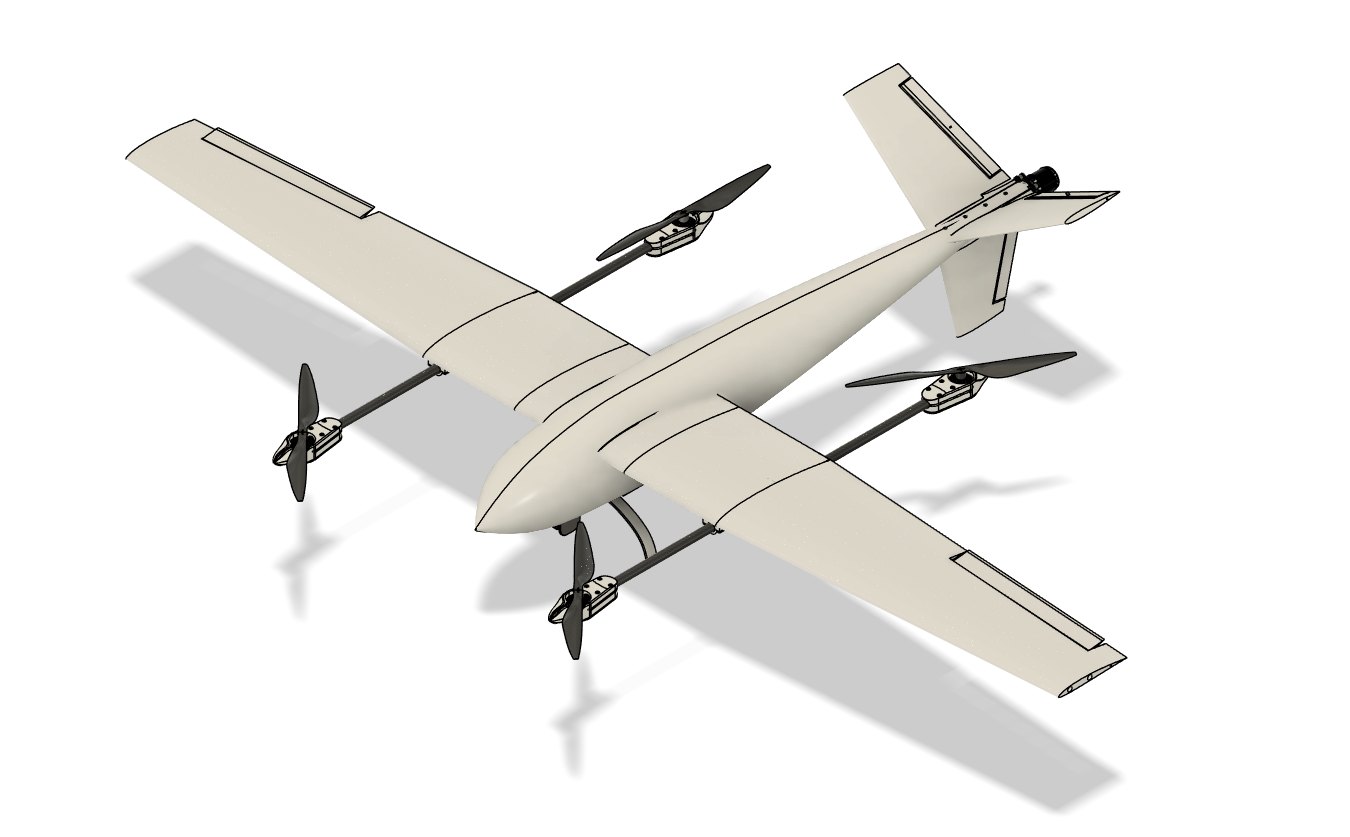
CAD rendering of MeadowHawk showing its wing, fuselage, tail, and rear pusher configuration
Technical Design Report CAD configuration.
Airframe and structure

Wing, fuselage, and lift structure

The wing carries MeadowHawk in cruise, while the carbon lift structure supports four motors for vertical flight. The fuselage holds the batteries, flight electronics, camera, and payload close to the aircraft centerline.

  • Wing-loading, stall-speed, drag, and energy estimates guided the wing and cruise design.
  • The lift structure is physically H-shaped; ArduPilot uses an X-frame control allocation for the four motor positions.
  • Printed, machined, and carbon-reinforced parts allow damaged sections to be repaired or replaced.
  • The aircraft separates into transportable assemblies for field setup.
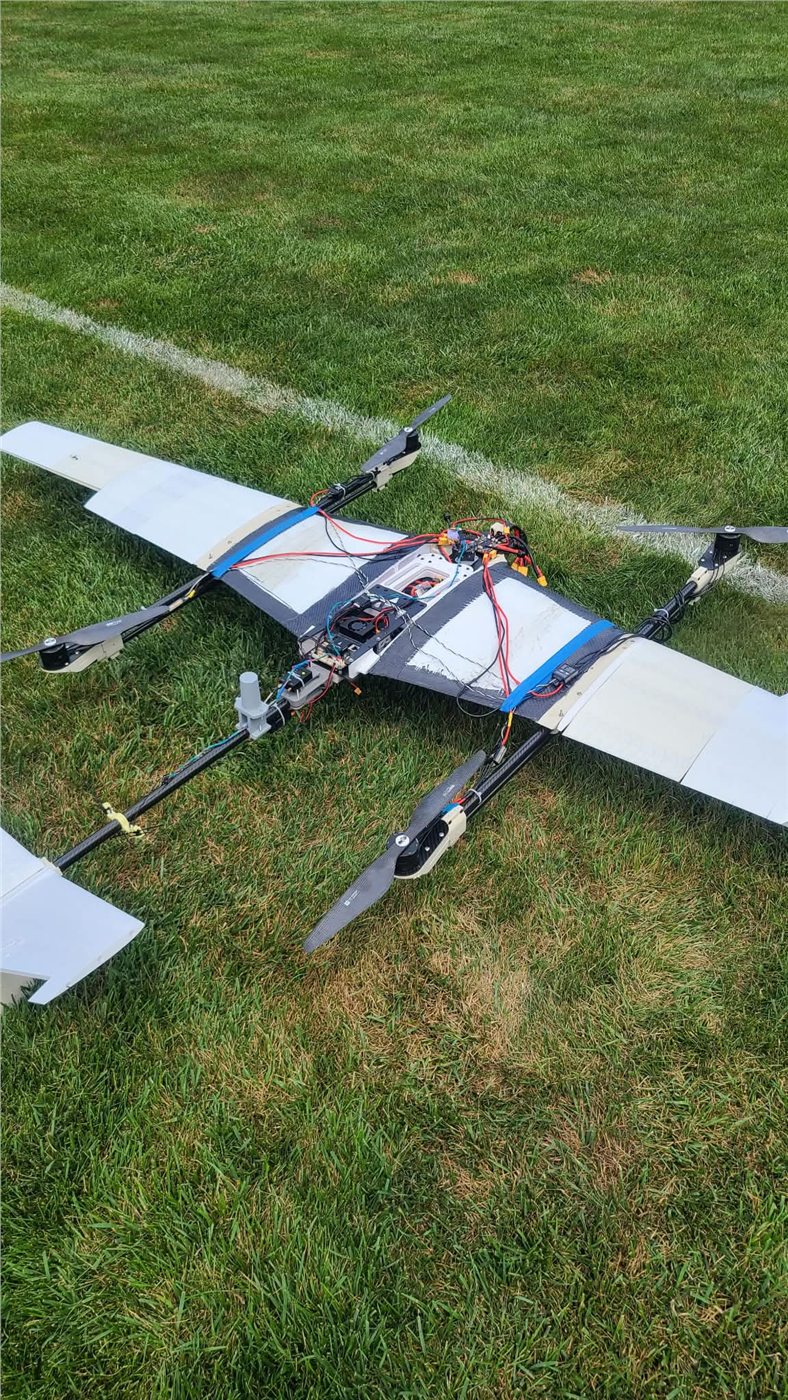
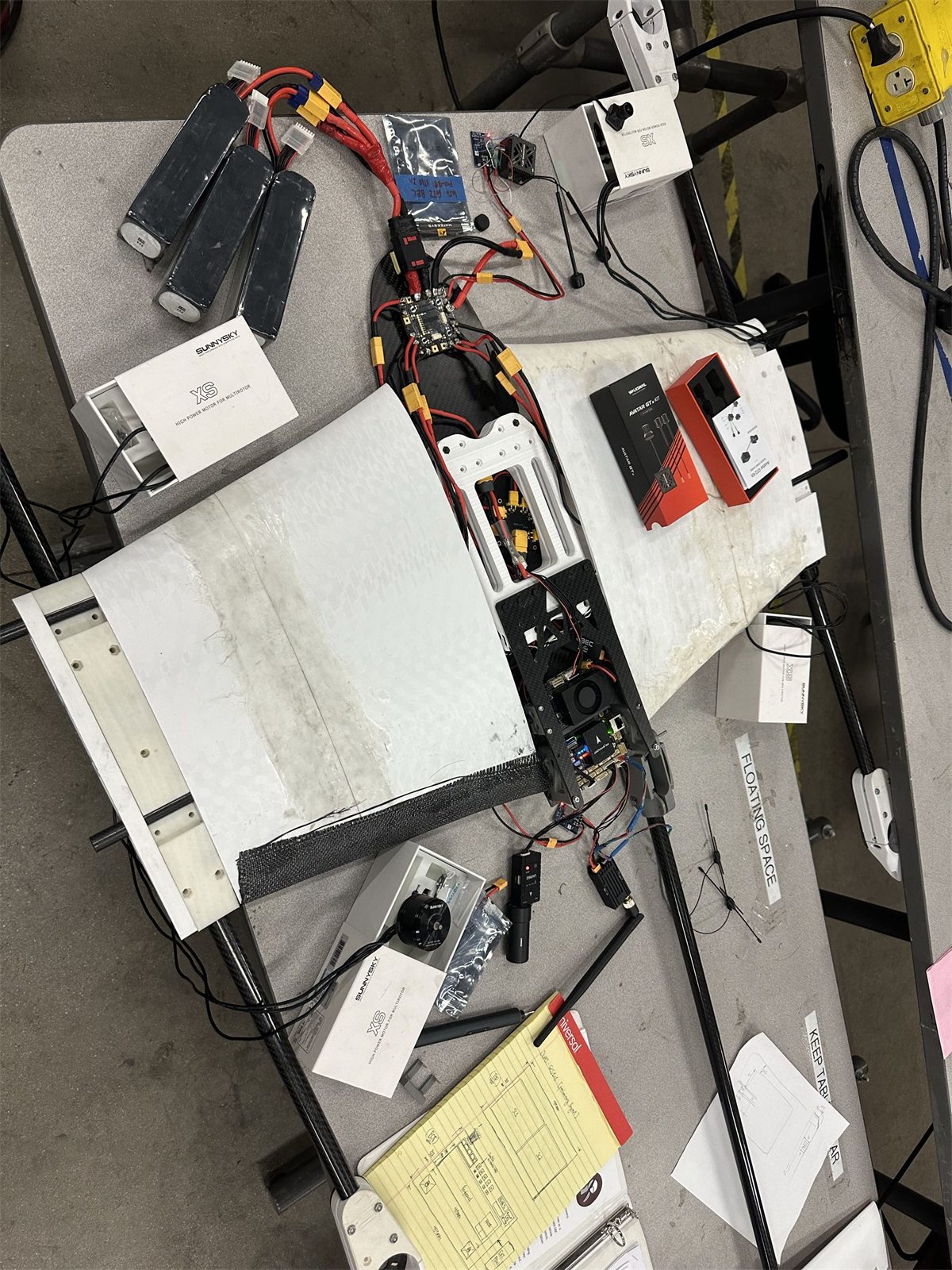
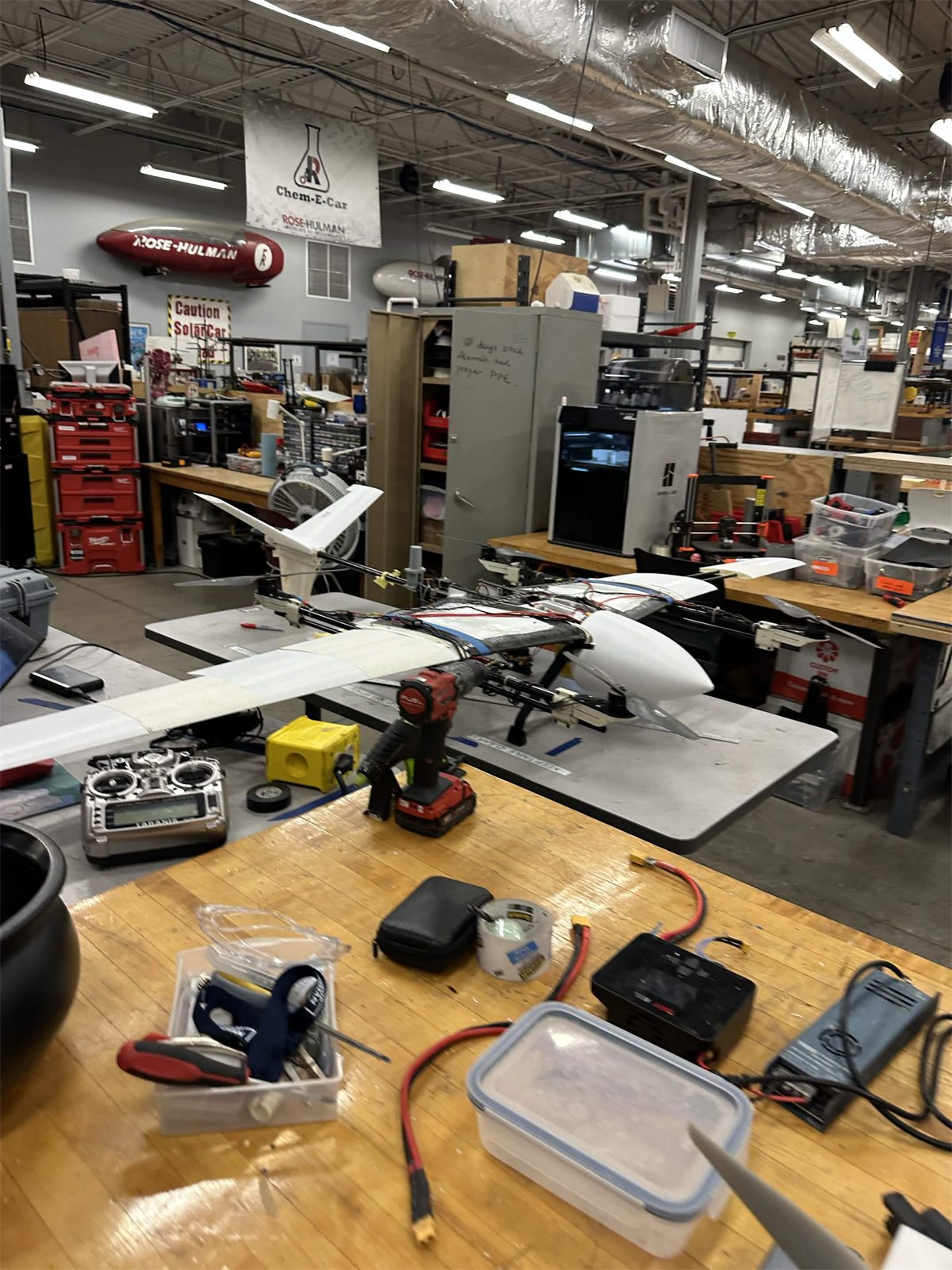
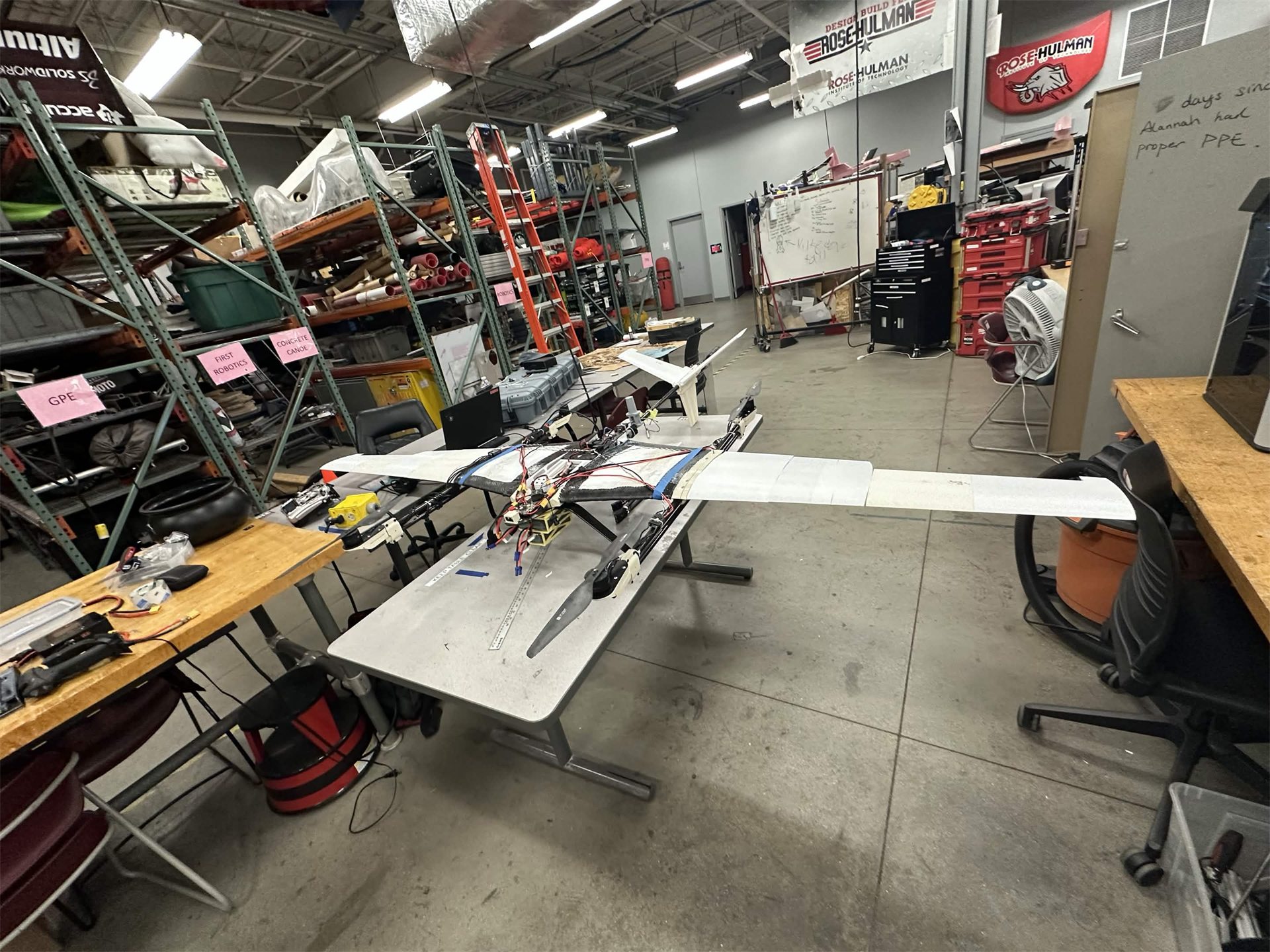
MeadowHawk undergoing airframe and lift-structure integration in the workshop
MeadowHawk during workshop integration; exposed systems make the load paths and replaceable assemblies visible.
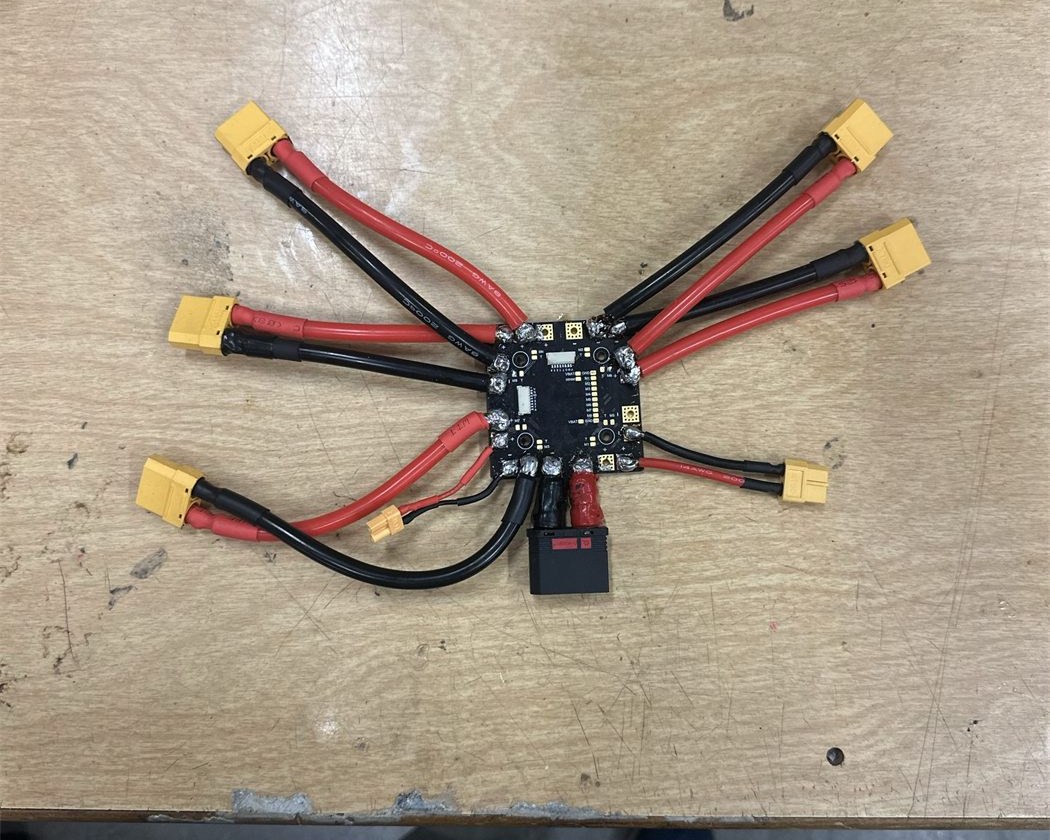
MeadowHawk high-current power distribution board with its battery and motor connectors
The high-current power distribution board before installation in MeadowHawk.
Propulsion and power

Lift, cruise, and shared electrical power

The lift and cruise motors do different jobs. The lift system needs controllable thrust at low airspeed; the rear pusher is sized around cruise thrust, current draw, and propeller pitch speed.

  • The design uses three 6S 4500 mAh batteries in parallel.
  • A high-current distribution board feeds the four lift ESCs and the cruise ESC.
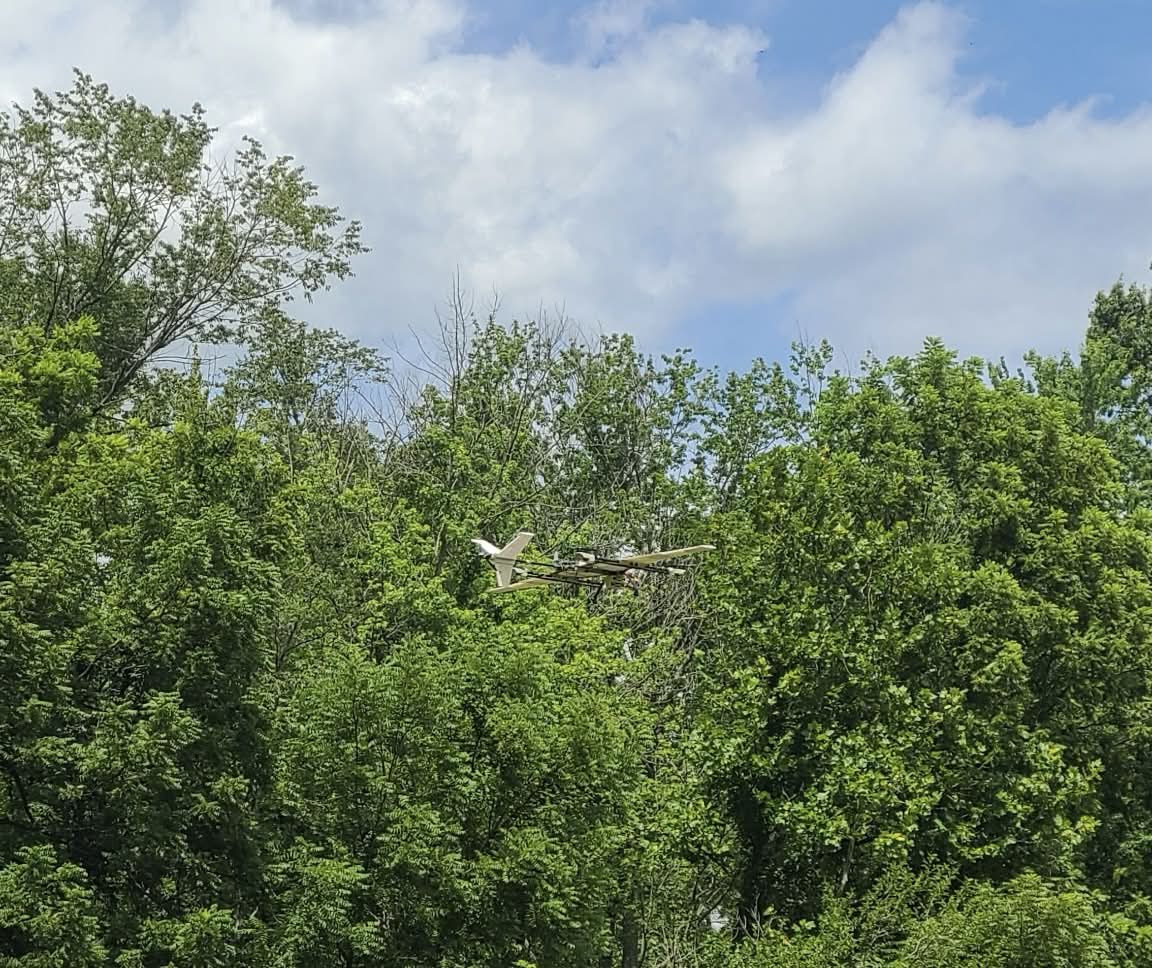
  • The July 21 proof flight used four DJI 4216 KV310 lift motors.
  • We compare calculations and eCalc results with bench tests and flight logs.

The July 21 proof flight used the interim DJI motor set. The competition-frozen TDR configuration specifies T-Motor MN501-S KV360 lift motors with P18 × 6.1 propellers.

Flight control and navigation

Flight Control and Navigation

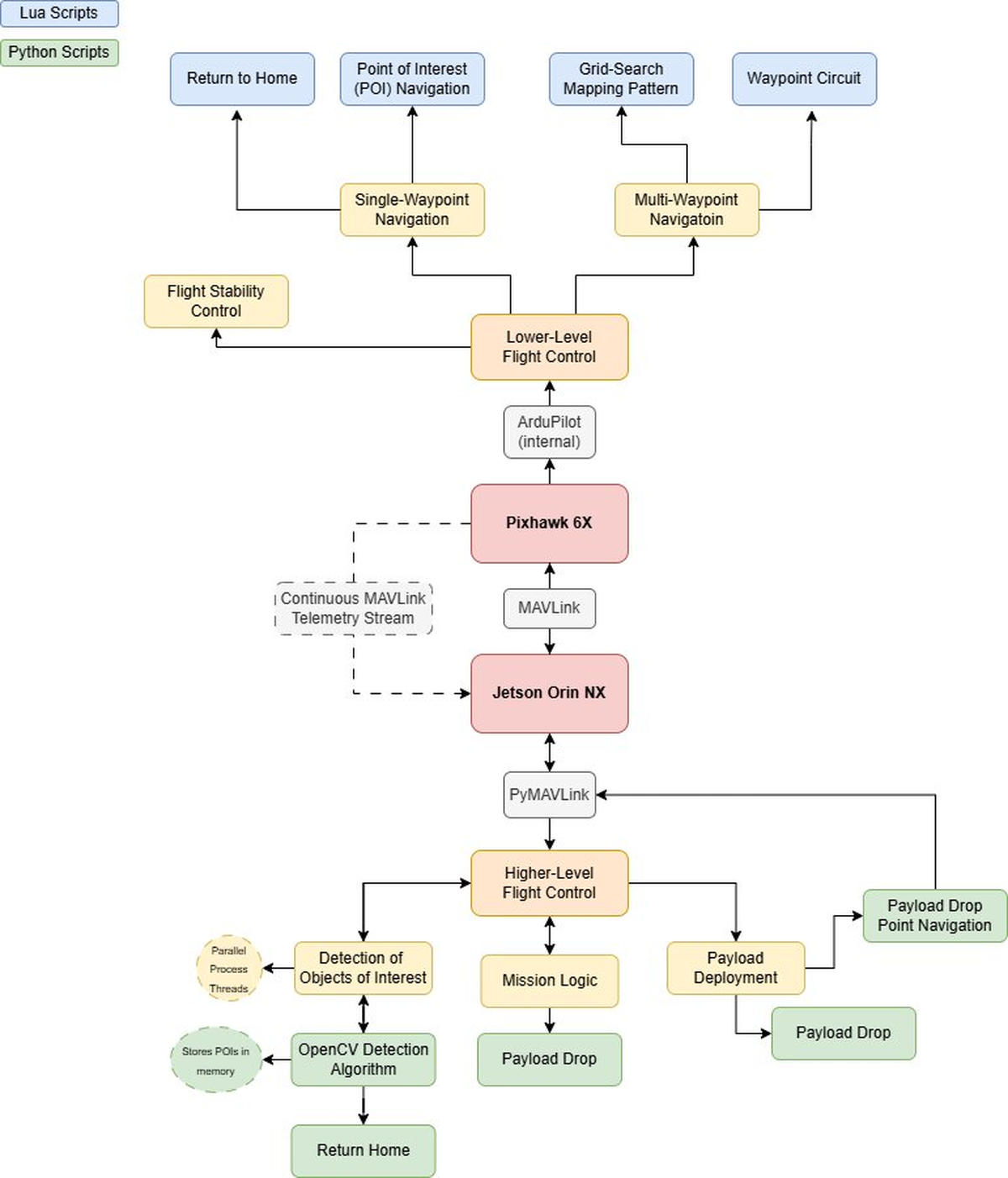
The Pixhawk 6X runs ArduPlane's QuadPlane firmware. It stabilizes the aircraft, follows waypoints, and manages VTOL modes and return behavior. The architecture keeps those safety-critical flight functions on the Pixhawk instead of the Jetson.

Modes and missions

ArduPilot provides the assisted VTOL modes, autonomous waypoint missions, guided navigation, return-to-launch behavior, and landing logic.

Navigation and recovery

GNSS supplies position data, while return modes and the safety pilot's independent manual-control link provide recovery options. Airspeed and geofence settings are checked for each flight configuration.

Simulation and tuning

We use ArduPilot SITL, Gazebo, Mission Planner, short flight tests, and log review before expanding the flight envelope.

Diagram showing Pixhawk flight control connected to Jetson Python mission logic, detection, navigation, and payload commands
Mission computing and perception

Mission Computing and Perception

The Jetson Orin NX runs the team's Python software. It reads vehicle telemetry through PyMAVLink, tracks mission state, captures camera frames, and runs the detection pipeline. The Pixhawk retains stabilization and failsafe functions.

  • Python scripts coordinate mission states and higher-level commands.
  • The camera pipeline prepares frames and runs object detection on the Jetson.
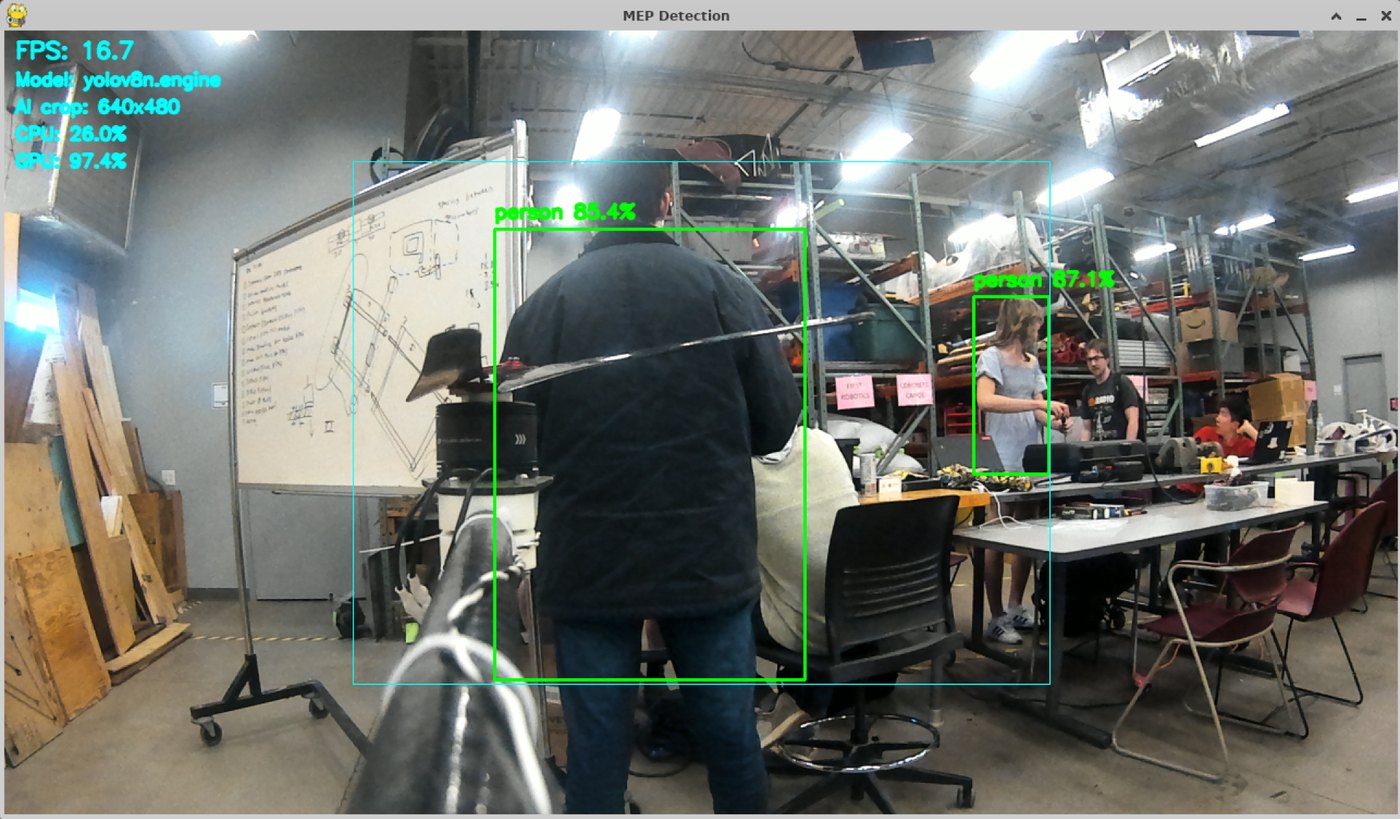
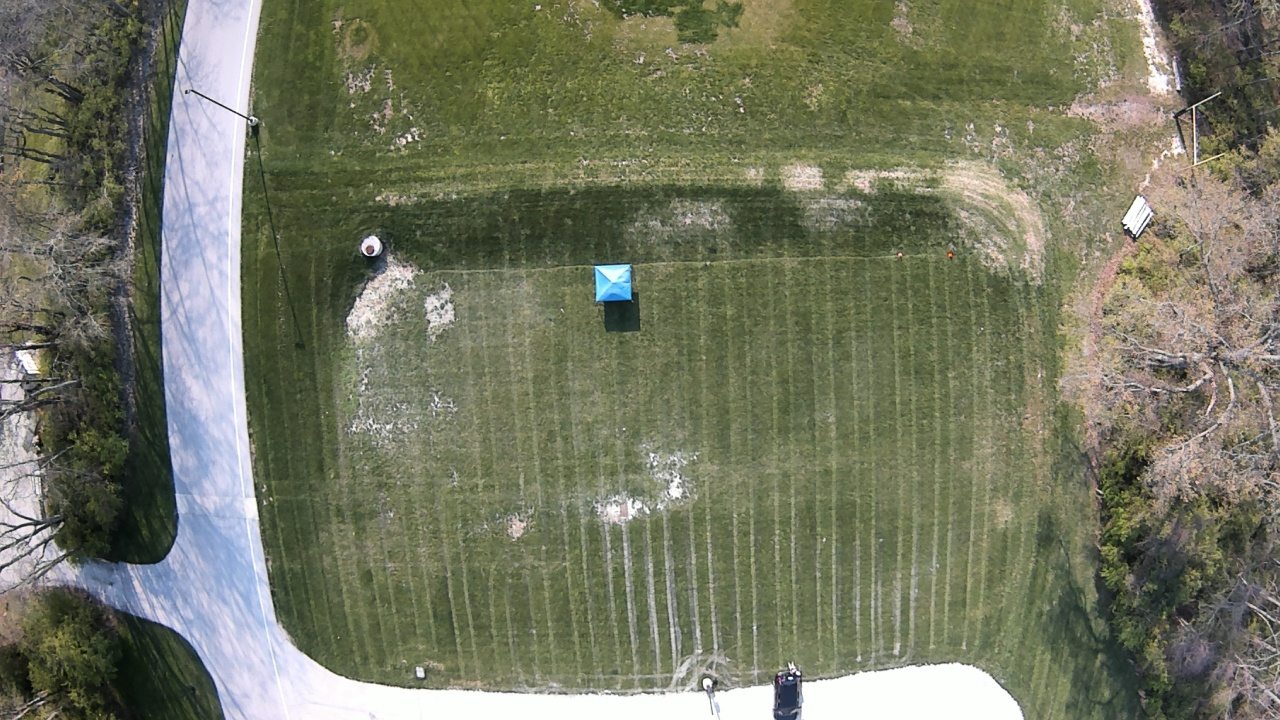
  • Recorded-data tests detected tent and mannequin targets.
Recorded-image object detection test showing a target identified in the Rose Aerial Systems workspace
Top-down camera image of a blue tent collected during a Multirotor Experiment Platform flight
Top-down camera frame collected by MEP for perception-pipeline development.
Aircraft communications

Communications Architecture

The safety pilot and ground-station operator use separate links for manual control, telemetry, and mission supervision.

Safety pilot

ExpressLRS carries the pilot's manual-control link and provides a direct path to take over from the autonomous mission.

Telemetry

A separate 915 MHz telemetry radio carries MAVLink data between the aircraft and the ground station.

Mission Planner

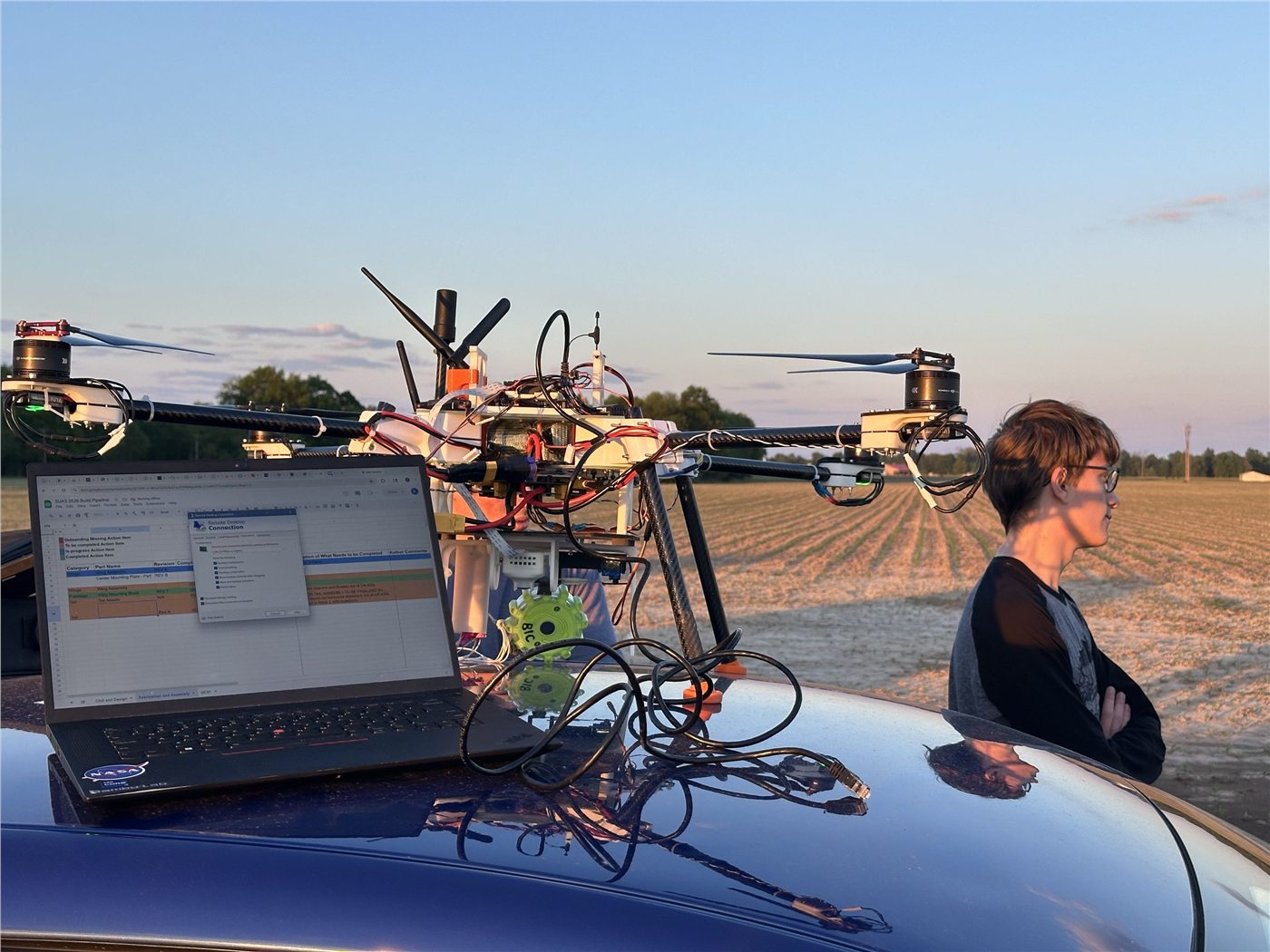
The ground-station operator uses Mission Planner to build missions, monitor position and flight state, and review logs after testing.

Ground Control Station

Portable Ground Control Station

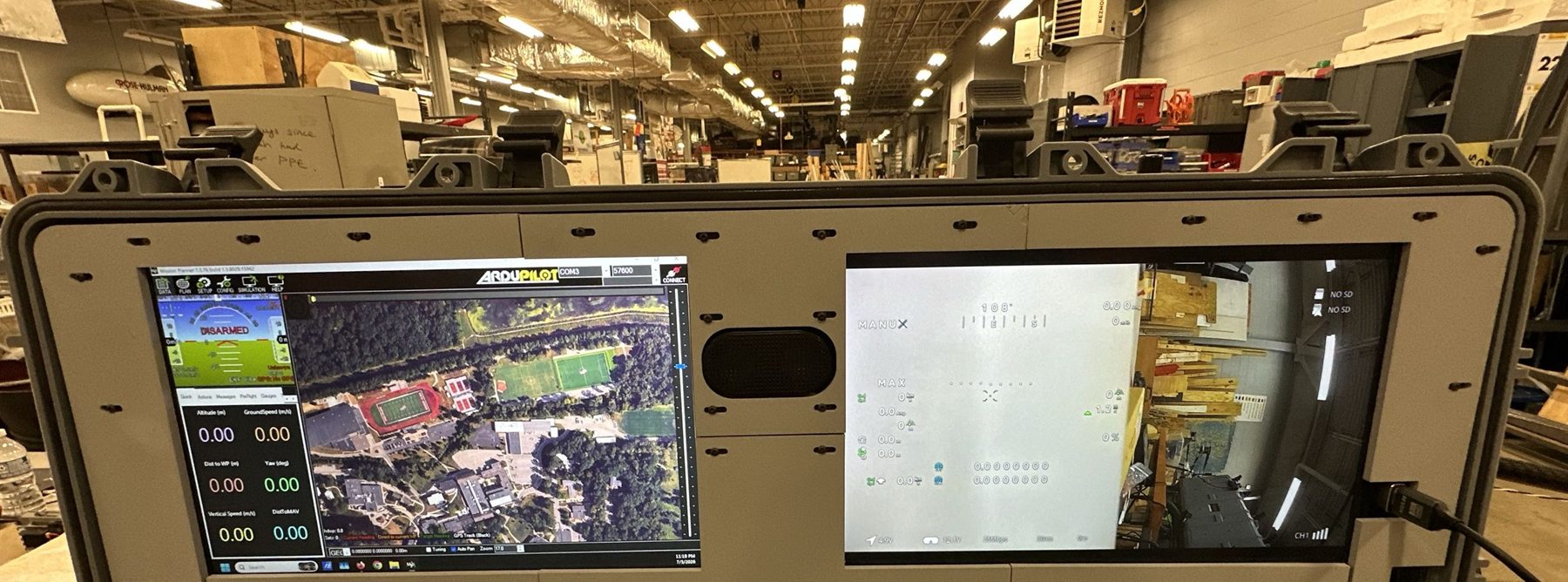
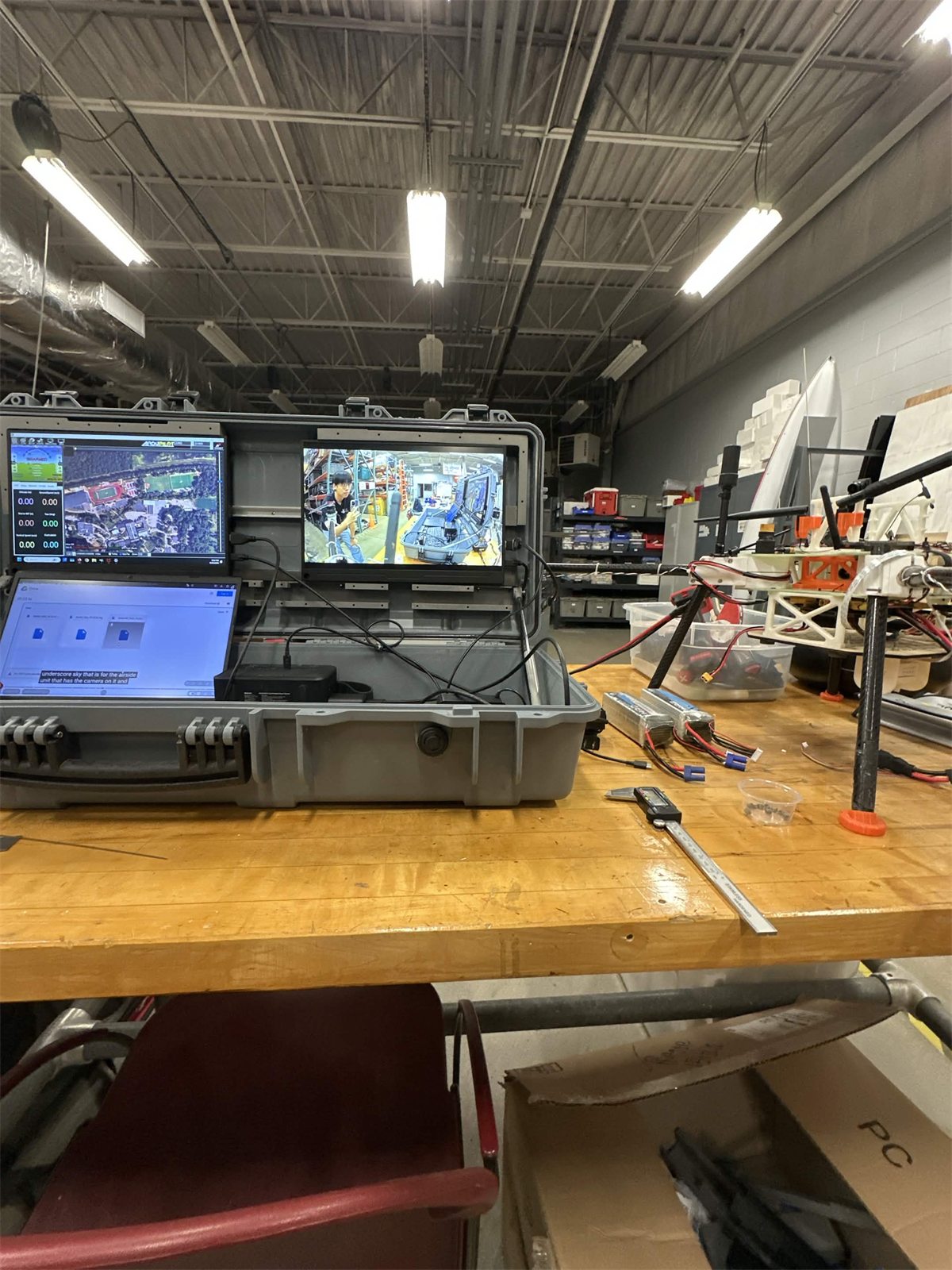
The portable ground station gives the operator one place to prepare a mission, follow aircraft state, watch the camera feed, and review logs. It supports the crew without replacing the safety pilot's independent control link.

Portable Rose Aerial Systems ground-control station with mission and video displays
The transport case holds the operator displays and field interfaces in one deployable package.
Mission planning
Mission Planner is used to build routes, inspect aircraft state, and review flight logs.
Crew roles
The ground-station operator supervises the mission while the safety pilot retains a separate manual-control path.
Situational awareness
Telemetry and video are presented together so the crew can compare vehicle state with the camera view.
Field use
The displays and supporting equipment travel as a self-contained case for workshop and flight-line checks.
Ground-control station connected beside MeadowHawk during a workshop integration check
Ground-station and aircraft interfaces checked together in the workshop before field use.
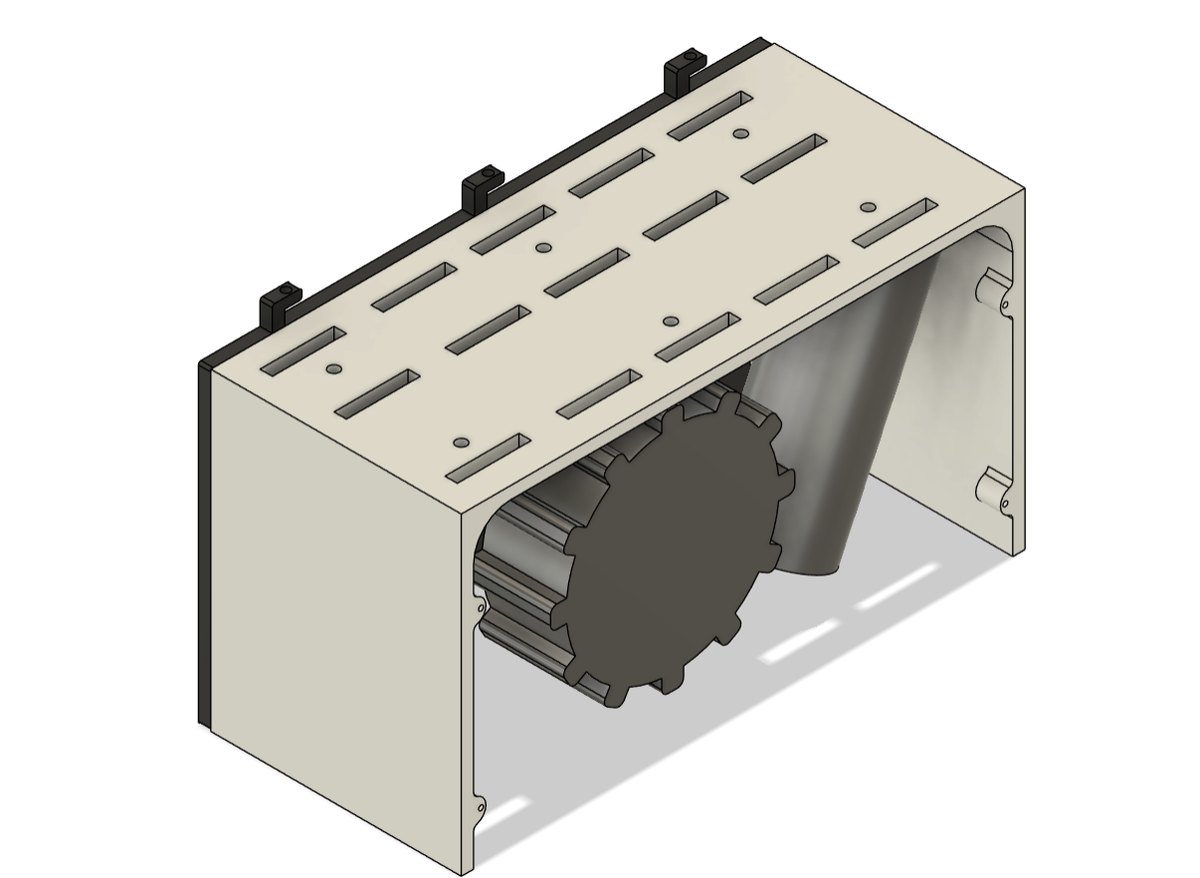
CAD rendering of the modular MeadowHawk payload bay
The payload bay is packaged near the aircraft center of gravity.
Payload system

Payload Retention and Release

The payload bay is designed to hold two independently commanded relief objects near the center of gravity. Keeping the load near that point limits trim changes as the objects are carried and released.

  • MEP flights demonstrated payload retention and commanded release.
  • The release channels can be commanded independently.
Safety and verification

Flight-Test Process

New work starts in calculations, simulation, or bench testing before it reaches a flight vehicle. We keep MEP results separate from MeadowHawk results, review telemetry after each flight, and recheck the configuration before moving to the next step. Manual takeover, return modes, geofencing, and preflight checks are part of that process.

See the testing record